


The Ideal Lawn Care Weekly Schedule (What Top Operators Do Differently)
- Malachi Sherwin
- Feb 18
- 3 min read

Most lawn care businesses don’t have a growth problem.
They have a structure problem.
If your week feels reactive — constant calls, route changes, missed invoices, crew confusion — it’s not because you lack effort.
It’s because your week isn’t designed. Million-dollar operators don’t “figure it out as they go.” They run a disciplined weekly rhythm.
Here’s what that actually looks like — and how to implement it using Lawnly.
The Elite Operator Weekly Framework
Top operators structure their week around five core blocks:
Admin Block
Route Planning
Crew Reviews
KPI Check
Client Communication Rhythm
Let’s break each one down.
The Admin Block (Monday Morning – Non-Negotiable)
Time: 60–90 minutes
Goal: Control the week before it controls you.
This is not random busywork. This is leadership time.
During this block, elite operators:
Review the full weekly job calendar
Confirm crew assignments
Check invoice status
Review open client messages
Scan for schedule gaps
Inside Lawnly, this means:
Open the dashboard
Review scheduled jobs for the week
Check payment statuses
Look at flagged items or incomplete jobs
Confirm crew availability
No phone calls. No field distractions.
Just clarity. Most businesses skip this step — and spend the week reacting.
Route Planning (Before the Week Starts)
Top operators don’t assign jobs randomly. They cluster jobs intentionally.
Why? Because route density drives profit.
As we covered in The Power of Route Density, tighter routes mean:
Less fuel
More jobs per day
Fewer delays
Happier crews
Inside Lawnly, route planning should include:
Grouping jobs by area
Adjusting for weather shifts
Confirming time windows
Rebalancing overloaded crews
The goal is simple:
Crews should spend more time mowing than driving. If routes are built properly, margins increase without adding customers.
Crew Reviews (Mid-Week Check-In)
Time: 20–30 minutes
Goal: Catch issues before they escalate.
Most owners only talk to crews when something goes wrong. Top operators check in proactively.
What they review:
Jobs completed vs scheduled
Time per job
Customer feedback
Any rework required
Equipment issues
Inside Lawnly, this means:
Reviewing completed job logs
Checking photo uploads
Looking at any flagged jobs
Reviewing completion times
This prevents:
End-of-week chaos
Customer complaints
Revenue leaks
Leadership is not micromanaging — it’s monitoring performance through systems.
KPI Check (Friday Review)
This is where most lawn businesses fail. They don’t know their numbers weekly — only seasonally. Elite operators review metrics every week.
Core KPIs to check:
Revenue for the week
Jobs completed
Revenue per job
Outstanding invoices
Crew productivity
Drive time efficiency
Customer retention signals
Inside Lawnly, your dashboard should tell you:
What you earned
What’s pending
What slowed you down
Where profit leaked
If you wait until month-end to check performance, it’s too late to adjust.
Weekly feedback loops create predictable growth.
Client Communication Rhythm
Most customer complaints don’t come from poor mowing. They come from poor communication.
Elite operators build a rhythm:
Automated reminders before service
Notification when service is complete
Photo proof uploads
Fast responses to questions
Renewal prompts before season end
Inside Lawnly, this includes:
Centralized messaging
Automated job notifications
Invoice reminders
Photo verification
When communication is systemized:
Complaints drop
Reviews improve
Retention increases
Stress decreases
As discussed in Customer Service Nightmares, chaos happens when communication is manual. Automation fixes that.
The Real Difference Between Busy and Elite
Busy operators:
Work harder every week
Answer every call
Fix problems reactively
Guess at performance
Elite operators:
Run a weekly system
Monitor dashboards
Adjust proactively
Use automation as leverage
The difference is not talent. It’s structure.
What This Looks Like in Practice
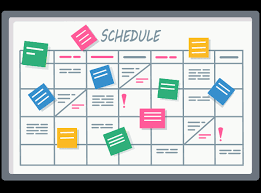
Here’s the simple weekly structure:
Monday
Admin block
Route finalization
Midweek
Crew performance review
Friday
KPI dashboard check
Adjust pricing, routing, or scheduling if needed
Everything else flows around that spine.
The Takeaway
If your week feels chaotic, it’s because it’s unstructured.
Growth doesn’t come from adding more jobs. It comes from mastering the week you already have. Lawnly isn’t just a scheduling tool — it’s a weekly operating system.
Log into Lawnly this week and implement this schedule.
Start with Monday’s admin block.
Then tighten routes.
Then review performance.
The businesses that dominate don’t guess.
They operate. Book a demo today. and let us help you operate.
Related Articles



Comments